

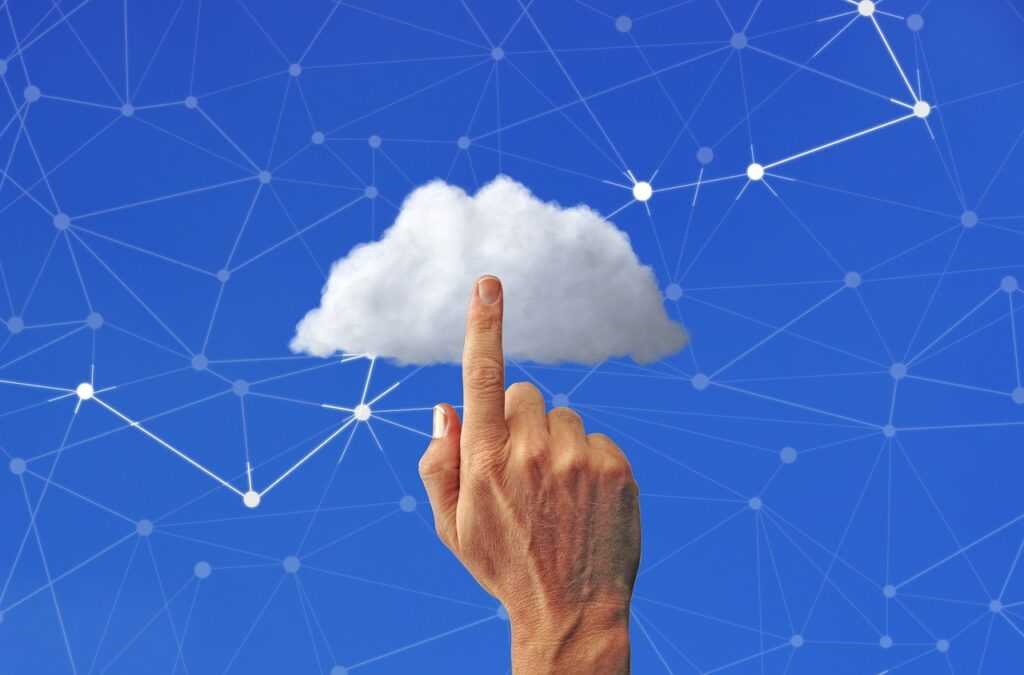
Faster, Smarter, Closer
Edge computing is fundamentally transforming how and where data gets processed. By moving data handling closer to the point of generation, edge computing reduces latency, boosts efficiency, and supports real time decision making.
Why Speed Matters
Reduced Latency: Edge devices process data near the source, slashing the time it takes to analyze and act.
Real Time Responsiveness: In environments where milliseconds matter like autonomous vehicles or factory control systems edge delivery ensures immediate results.
Central to Decentralized: A Shift in Computing Architecture
The traditional cloud model relies on large, centralized data centers often located far from end users. While still useful, this model struggles to keep up with scenarios requiring instant computation or operating in bandwidth constrained regions.
Edge computing flips the model by placing compute power at or near the source of the data. This decentralization allows systems to operate independently of distant cloud servers when necessary, making them more robust and adaptive.
Cloud: Centralized processing, great for scale but slower for real time use cases
Edge: Local processing, optimized for immediacy and autonomy
Hybrid: A combination of both, balancing flexibility with power
Real World Impact: Edge in Action
Edge computing is not just theory it’s already creating value in industries that demand high speed decision making and local intelligence:
Manufacturing: Smart factories use edge enabled sensors to detect faults on the assembly line in real time, minimizing downtime.
Retail: Stores analyze in location foot traffic to optimize layouts and react instantly to customer behavior.
Autonomous Vehicles: Cars equipped with edge enabled systems process inputs from cameras and sensors on the fly crucial when response time is a matter of safety.
A Must in Connectivity Challenged Environments
Edge computing is indispensable in areas where internet connections are unreliable or non existent. From remote oil rigs to mobile operations in agriculture:
Data stays local, allowing uninterrupted operations despite connectivity bans or outages.
Better performance in high speed, high volume signal environments, where cloud dependency would introduce problematic lag.
Edge isn’t just supplementing the cloud it’s redefining the infrastructure for faster, smarter, and more resilient data strategies.
Why Cloud Alone Doesn’t Cut It Anymore
Traditional cloud computing has served us well, but it’s starting to split at the seams. Bandwidth limits, escalating costs, and frustrating lags in data transfer are making cloud only setups feel clunky especially for businesses that need speed and real time precision. Shipping every byte of data to centralized servers and back just doesn’t scale cleanly when your operations are time sensitive or distributed across a wide area.
That’s where edge computing steps in. Instead of pushing everything to the cloud, edge handles data right at the source on factory floors, in autonomous vehicles, or on retail sensors. This cuts down on delays, trims bandwidth costs, and offloads the cloud’s burden by making smart decisions locally.
The difference matters. In a pure cloud model, data is processed centrally, which works well for batch tasks and large scale storage but not so much for anything requiring instant feedback. In contrast, edge computing is localized and responsive. Hybrid models strike a balance, letting organizations process time critical data at the edge but still leveraging the cloud’s horsepower for storage or less urgent analysis.
Smart infrastructure isn’t about ditching the cloud it’s about putting each piece in the right place. Edge computing gives you that control.
The Tech Behind the Edge

Edge computing isn’t just a concept it’s powered by real, tangible infrastructure that’s evolving fast. Micro data centers are the field units of this movement: compact, localized, and loaded with computation power. These centers keep data close to the source, which slashes latency and avoids the round trip lag of traditional cloud setups. Add to this intelligent gateways devices that filter, process, and route data on site before sending anything further upstream. They don’t just pass data; they triage it.
Embedded AI steps things up another level. It’s not just about moving data fast, but making it productive on the move. AI models living at the edge are doing real time analytics, decision making, and anomaly detection, whether it’s a factory floor sensor or a smart fridge. It’s fast, lean, and deliberate.
With all this local processing, however, comes the security challenge. Unlike the controlled environment of cloud data centers, edge deployments are distributed and exposed. That means hardened devices, encrypted data flows, multi factor authentication even AI infused threat detection aren’t optional. They’re the baseline.
Then there’s 5G. It deserves its own line. The speed and reduced latency of 5G unlock edge capabilities that simply weren’t viable before. We’re talking millisecond level reactions for things like autonomous systems, real time streaming, or remote diagnostics. Without 5G, much of edge’s promise stays grounded.
So while the term “edge” can seem abstract, its tech stack is anything but. It’s built on rugged gear, smart software, and fast, secure connections. And it’s already here, reshaping infrastructure from the ground out.
Industries Leading the Edge Charge
Smart cities are evolving from concept to reality, and edge computing is the quiet engine underneath. By processing real time data from traffic sensors, surveillance cameras, and public infrastructure at the edge, cities can adjust lighting, reroute traffic, and respond to incidents without lags. It’s not flashy it’s functional, and it’s already happening.
In healthcare, speed isn’t just nice to have it’s critical. Edge computing enables near instant diagnostics in places like ERs, ambulances, and rural clinics. Whether it’s analyzing scans or monitoring vitals, doing the computing on site means faster decisions and fewer lives in limbo.
Remote sectors like energy and agriculture lean on edge for different reasons: coverage and consistency. Out in oil fields or crop fields, centralized cloud can’t keep up. But edge sensors can catch pipeline leaks or soil moisture changes before damage spreads. It’s quiet prevention, done in real time.
And then there’s logistics warehouses packed with IoT devices tracking packages down to the second. Manufacturing floors using edge powered robotics for millisecond precise operations. For these industries, edge isn’t just helpful it’s structural. When every second counts, the compute needs to happen right there, not halfway across the country.
Planning for an Edge Driven Future
Designing for the edge isn’t just a copy paste of cloud thinking. It comes down to placing compute power where it makes the most sense close to the data source. That means rethinking architecture around use case specific nodes, data sovereignty, device constraints, and real time decision making. Edge first doesn’t mean edge only, but it does mean designing systems that degrade gracefully and operate independently when the cloud isn’t reachable.
Deployment gets tricky when teams treat edge rollouts like centralized IT projects. Common pitfalls? Overestimating connectivity, underestimating local compute needs, skipping redundancy planning, or failing to secure endpoints with the same rigor as cloud instances. Smooth deployments start with clear requirements, physical environment assessments, and tight integration between software, hardware, and network layers.
Scale doesn’t come from throwing more devices at the problem it comes from the right cross functional support. Edge systems demand ops teams familiar with both IT and OT, embedded engineers, DevOps skillsets, and product managers who understand real world latency constraints. Expect roles to blur. Smart orgs treat the edge like a tier one priority, not an R&D experiment, and invest accordingly.
Go Deeper into the Edge
For a foundational look at what edge computing is and why it’s rising fast, read our edge computing overview.
Edge computing isn’t just a complement to cloud it’s the next phase of digital infrastructure. As demands for speed, volume, and autonomy grow, sending data back and forth to distant servers no longer cuts it. Edge steps in right at the data source, processing it where it happens. That means less latency, more precision, and smarter systems overall.
In industries swimming in data think autonomous vehicles, retail analytics, or real time diagnostics edge computing isn’t a luxury. It’s a necessity. This isn’t hype, it’s direction. If cloud redefined storage and scale, edge is now redefining how and where real decisions get made.

 Ask Sharone Phillipssond how they got into emerging technology overview and you'll probably get a longer answer than you expected. The short version: Sharone started doing it, got genuinely hooked, and at some point realized they had accumulated enough hard-won knowledge that it would be a waste not to share it. So they started writing.
What makes Sharone worth reading is that they skips the obvious stuff. Nobody needs another surface-level take on Emerging Technology Overview, Gadget Reviews, Software Development Insights. What readers actually want is the nuance — the part that only becomes clear after you've made a few mistakes and figured out why. That's the territory Sharone operates in. The writing is direct, occasionally blunt, and always built around what's actually true rather than what sounds good in an article. They has little patience for filler, which means they's pieces tend to be denser with real information than the average post on the same subject.
Sharone doesn't write to impress anyone. They writes because they has things to say that they genuinely thinks people should hear. That motivation — basic as it sounds — produces something noticeably different from content written for clicks or word count. Readers pick up on it. The comments on Sharone's work tend to reflect that.
Ask Sharone Phillipssond how they got into emerging technology overview and you'll probably get a longer answer than you expected. The short version: Sharone started doing it, got genuinely hooked, and at some point realized they had accumulated enough hard-won knowledge that it would be a waste not to share it. So they started writing.
What makes Sharone worth reading is that they skips the obvious stuff. Nobody needs another surface-level take on Emerging Technology Overview, Gadget Reviews, Software Development Insights. What readers actually want is the nuance — the part that only becomes clear after you've made a few mistakes and figured out why. That's the territory Sharone operates in. The writing is direct, occasionally blunt, and always built around what's actually true rather than what sounds good in an article. They has little patience for filler, which means they's pieces tend to be denser with real information than the average post on the same subject.
Sharone doesn't write to impress anyone. They writes because they has things to say that they genuinely thinks people should hear. That motivation — basic as it sounds — produces something noticeably different from content written for clicks or word count. Readers pick up on it. The comments on Sharone's work tend to reflect that.