
Why Biometrics Are Leading the Security Shift
Identity threats aren’t slowing down they’re evolving. In both personal life and enterprise environments, cyberattacks are getting more targeted, more sophisticated, and harder to spot. Passwords? Too easy to guess, phish, or brute force. PINs? Not much better. The old standards are failing under modern pressure.
That’s where biometrics step in. Fingerprints, facial recognition, iris scans, behavioral data these tools are hard to fake and even harder to steal. More importantly, they make everyday security feel less like a chore and more like a background feature. You don’t need to remember a 16 character password when your fingerprint does the talking.
Biometrics strike a practical balance: ease of use with layers of built in security. They’re fast enough for consumers and tough enough for enterprise. In a world where one bad login can mean financial disaster or a major breach, that combination is no longer optional it’s essential.
Fingerprint Scanning: Tried, Tested, and Still Relevant
Fingerprint tech has outgrown the smartphone screen. It’s now hardwired into enterprise workflows, mobile apps, and even punch clocks. Originally praised for unlocking phones with a tap, today’s fingerprint systems are being deployed everywhere from high security building access points to payroll systems tracking employee hours.
Companies are using fingerprint scans for secure workstation logins cutting down on password fatigue and leaking credentials. Banks have integrated them into mobile apps to balance easy access with strong account protection. And for frontline workers, biometric time entry tools prevent buddy punching and tighten payroll accuracy.
From a security standpoint, fingerprint tech offers a solid mix of user convenience and identity assurance. It’s fast, scalable, and the local storage options (like biometric templates saved on device) can keep user data private. The limitation? It’s still a physical trait messed up sensors or injuries can block access, and spoofing remains a risk if paired with weak sensors. But paired with secondary checks or hardware encryption, it’s holding its ground as a frontline authentication tool.
In short, fingerprint scanning didn’t peak with smartphones it just quietly moved into more serious territory.
Facial Recognition: High Speed Access, High Stakes Privacy
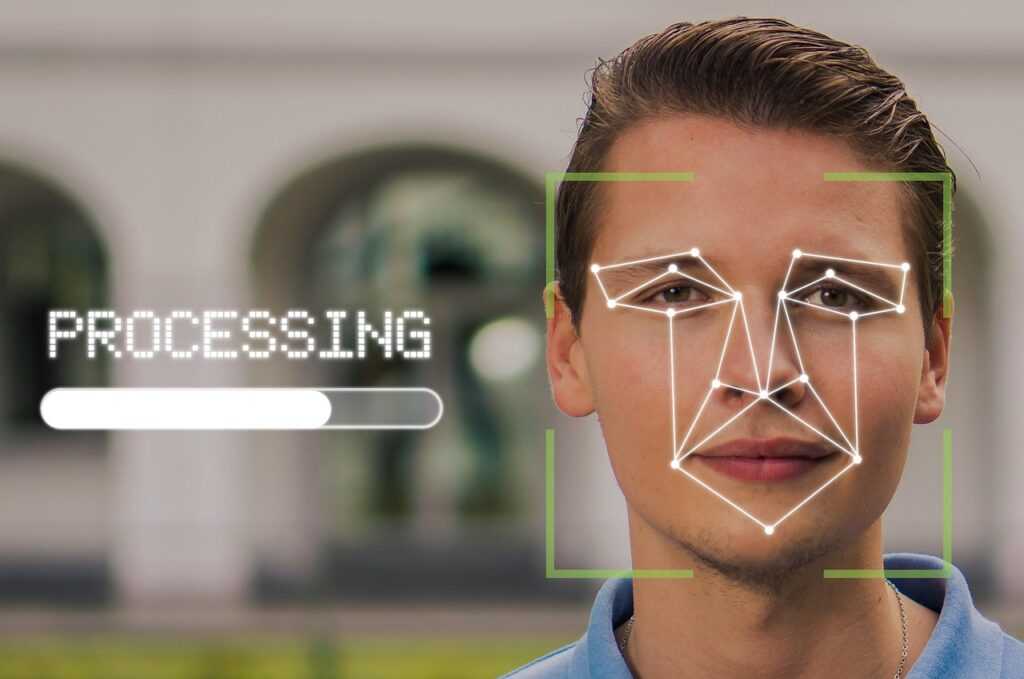
Facial recognition has matured well beyond unlocking phones. Thanks to depth sensing cameras and AI enhancements, it’s now a core component in everything from airport check ins to home security systems and enterprise authentication platforms. The tech is fast instant scans, real time results, no touch required. It’s also getting smarter at identifying faces across angles, lighting conditions, and even with partial obstructions.
You’ll see it at airport gates, logging travelers in seconds. Apps use it to verify identity before granting access to sensitive data. Doorbells scan visitors against watchlists or family profiles. Utility is high but so is scrutiny.
Privacy concerns aren’t going away. Critics argue the systems are invasive, often running background scans without clear consent. Legal gray zones are tightening under pressure from watchdogs and legislators. Regulations vary wildly by country and even by state, which creates a minefield for developers and organizations deploying the tech.
What matters now is responsible use: disclosure, clear data retention rules, and tight controls on who sees what. Users want convenience, but not at the cost of autonomy.
For more on tech usage and legal implications, check out our full biometric authentication guide.
Iris and Retina Scanning: Niche But Powerful

When precision matters, iris and retina scanning step in. These biometric methods offer some of the highest accuracy rates available false acceptance rates can be as low as one in a million. That’s why they’re used in high security environments where other methods fall short. Defense facilities, government buildings, and certain areas in healthcare rely on these scans not just for access, but for identity confirmation where the cost of error is high.
Healthcare, in particular, is adopting iris scans for patient identification in systems where duplications and fraud are a concern. Government agencies use them in passport control and secure facilities. The defense sector integrates them into multi factor systems for everything from classified data access to physical security checkpoints.
But it’s not plug and play. The tech has its hurdles. Scanners require stable lighting and unobstructed eyes issues pop up with glasses, dry eye conditions, or even someone blinking at the wrong time. And while accuracy is a win, user experience can take a hit if the workflow feels unnatural. That keeps these systems more common in high stakes scenarios than in everyday life. For now, iris and retina scanning remain powerful but reserved for when getting it right absolutely matters.
Voice Recognition: Seamless, But Not Foolproof
Voice is fast becoming the biometric of choice in places where speed and convenience matter. Think banking hotlines, customer support centers, and increasingly, smart home devices. Saying “verify me” is just easier than typing complex passwords especially when driving, cooking, or handling multiple tasks. And for companies, it’s a dream tool: less friction for users, fewer forgotten passwords, better flow.
But voice can be tricked. Deep fake tech has caught up fast, making it possible to clone someone’s voice with just a short clip. Add in pitch modifiers and language models, and what used to be science fiction is now a real security concern. Imitation attacks are no longer rare they’re scaling. That’s where single layer voice recognition starts to fray.
To stay ahead, security systems are layering voice with behavioral data what’s called passive biometrics. It’s not just how you speak, but how you pause, breathe, and move while speaking. These patterns are harder to fake. Combining voice with behavioral signatures strengthens authentication without sacrificing the smooth, hands free experience people like voice tech for in the first place.
Behavioral Biometrics: The Passive Guardian
Unlike fingerprints or face scans, behavioral biometrics don’t need you to stop and verify. They watch you as you go tracking how fast you type, how you scroll, your mouse movements, even how you hold your device. It’s not flashy, but that’s the point. The tech runs quietly in the background, learning your habits and flagging anything off.
This passive form of identification means users stay logged in securely without constant interruptions. For remote workers, it’s a way to prove you are who you say you are without extra steps. In banking, it’s becoming a core layer in fraud detection. If someone logs in using your password but types like a stranger, that raises a flag.
Over time, these small, invisible markers are turning into a reliable layer of protection. Low friction. High signal. And that’s exactly what modern security needs.
What It Means for the Future
Biometric tech isn’t a fringe feature anymore it’s quickly becoming a standard. Whether you’re unlocking your phone, clocking into work, or logging into your bank account, facial scans, fingerprints, and voice checks are becoming the norm. Major platforms are rolling this out not just for convenience, but because static credentials like passwords and PINs are losing the security war.
Hybrid authentication models are the next big wave. Think: fingerprint plus PIN, facial recognition plus behavioral monitoring. This layered approach helps cover for the weaknesses of any single method and gives users a fallback. It’s not just smarter security it’s better UX.
But here’s the friction point: innovation is moving faster than the rules. Biometrics raise major questions around data ownership, consent, and surveillance. Governments are playing catch up while private companies push forward. Users want frictionless access but they also need trustworthy safeguards.
Biometric security is evolving fast, and it isn’t going backward. If you want a full breakdown on where we’re headed, check out our biometric authentication guide.

 Ask Sharone Phillipssond how they got into emerging technology overview and you'll probably get a longer answer than you expected. The short version: Sharone started doing it, got genuinely hooked, and at some point realized they had accumulated enough hard-won knowledge that it would be a waste not to share it. So they started writing.
What makes Sharone worth reading is that they skips the obvious stuff. Nobody needs another surface-level take on Emerging Technology Overview, Gadget Reviews, Software Development Insights. What readers actually want is the nuance — the part that only becomes clear after you've made a few mistakes and figured out why. That's the territory Sharone operates in. The writing is direct, occasionally blunt, and always built around what's actually true rather than what sounds good in an article. They has little patience for filler, which means they's pieces tend to be denser with real information than the average post on the same subject.
Sharone doesn't write to impress anyone. They writes because they has things to say that they genuinely thinks people should hear. That motivation — basic as it sounds — produces something noticeably different from content written for clicks or word count. Readers pick up on it. The comments on Sharone's work tend to reflect that.
Ask Sharone Phillipssond how they got into emerging technology overview and you'll probably get a longer answer than you expected. The short version: Sharone started doing it, got genuinely hooked, and at some point realized they had accumulated enough hard-won knowledge that it would be a waste not to share it. So they started writing.
What makes Sharone worth reading is that they skips the obvious stuff. Nobody needs another surface-level take on Emerging Technology Overview, Gadget Reviews, Software Development Insights. What readers actually want is the nuance — the part that only becomes clear after you've made a few mistakes and figured out why. That's the territory Sharone operates in. The writing is direct, occasionally blunt, and always built around what's actually true rather than what sounds good in an article. They has little patience for filler, which means they's pieces tend to be denser with real information than the average post on the same subject.
Sharone doesn't write to impress anyone. They writes because they has things to say that they genuinely thinks people should hear. That motivation — basic as it sounds — produces something noticeably different from content written for clicks or word count. Readers pick up on it. The comments on Sharone's work tend to reflect that.