
What Foldable Phones Actually Offer
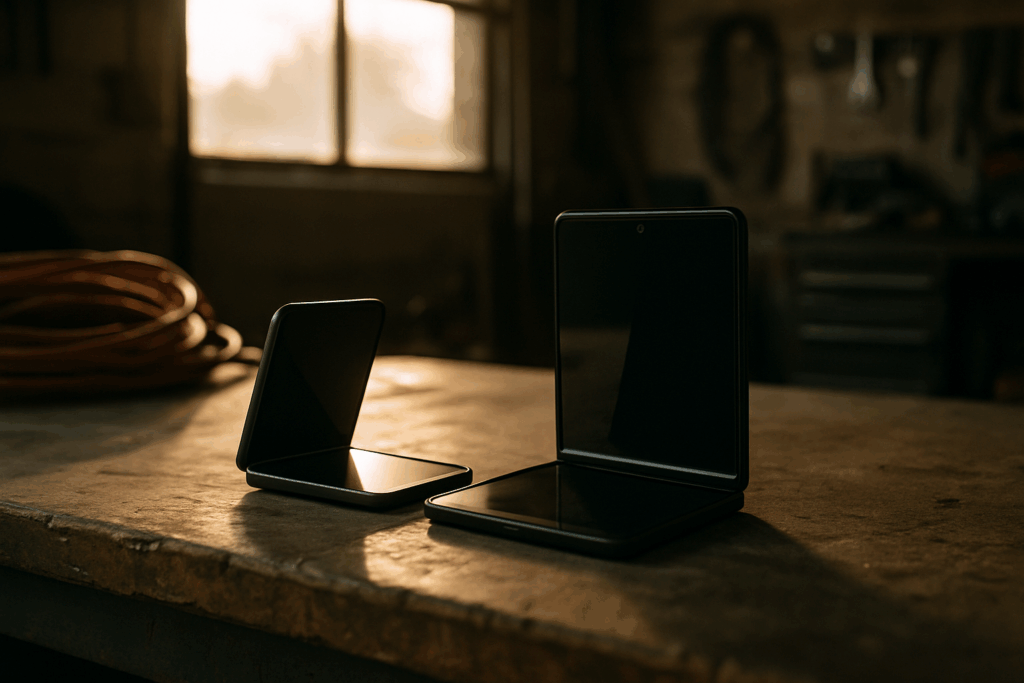
Foldables aren’t just a gimmick anymore they’re folding for a reason. These devices fit in your pocket but open up into mini tablets, giving you real estate when you need it and portability when you don’t. No more squinting to edit a doc or watch a vlog. Just flip it open and get to work (or play).
Multitasking hits a new stride here. With split screen mode, you can check email while taking notes, or stream a tutorial while scrolling through materials. It’s a small but mighty boost for efficiency that standard phones still struggle to match.
Flex mode is another win prop your phone up without a stand for hands free video calls, media playback, or jotting quick notes. It’s functional, not flashy. And on higher end models, stylus support makes things even more versatile, especially for creatives, note takers, and anyone who wants precision.
Foldables may not be perfect, but they’re finally putting their screen space to good use.
The Tradeoffs You Can’t Ignore
Foldable phones look sleek and futuristic, but they come with compromises that can’t be glossed over. First, the price. Most foldables come in well above premium flagship phones, with some models pushing past $1,800. That’s a lot of money for tech that still feels like it’s finding its footing.
Durability is another sticking point. Traditional smartphones have been through years of refinement glass, frame, waterproofing, all battle tested. Foldables? Not quite. Flexible screens and hinge mechanisms are vulnerable. Even with improvements, long term wear is an open question. Micro particles, bends over time, accidental drops they all take a toll, and most foldables aren’t built for that kind of abuse.
Battery life? It takes a hit too. Driving two displays and often larger ones at that means you don’t get the stamina you might expect from a phone in this price range. And while power management is improving, don’t expect miracles just yet.
In short: cool form factor, real technical compromises. Whether that trade is worth it depends on how you use your tech and how much you’re willing to pay for novelty.
Who Foldables Are Best For

Foldable phones aren’t for the masses yet. But for certain users, they hit the sweet spot between versatility and raw tech appeal.
Power users who live off their phones emailing, spreadsheet flipping, quick document edits don’t have to compromise screen real estate for portability. A device that fits in a pocket but expands into a mini workspace? That’s gold.
Then you’ve got early adopters. These are the folks who jumped on ultra wide monitors and smart glasses before anyone else. For them, foldables aren’t a risk they’re a playground. They like being first, and they’re okay living with quirks in exchange for that edge.
And finally, creatives. Illustrators, videographers, digital note takers. If screen size is their canvas, foldables give them more room to think, draw, edit even if it means giving up a bit of ruggedness or battery life. It’s not about perfect it’s about possibility.
Alternatives Worth Considering
Not convinced a foldable phone earns its premium? Good news: there are plenty of alternatives that offer serious performance without the risk of hinge failure or flex screen fatigue.
High performance, ultra light laptops and tablets continue to be go to companion devices for creators, remote workers, and digital nomads. Many models now weigh less than 3 pounds and still pack power that can handle editing, streaming, and multitasking on the fly. Paired with a strong Wi Fi signal, they’re more than capable sidekicks. If you’re looking for portable power without the fold, check out this lightweight laptop comparison.
Also worth a look: traditional smartphones with big displays and sharpened productivity chops. These aren’t gimmicky think gesture shortcuts, customizable widgets, and app pinning for multitasking. Add in a wireless keyboard, and you’ve got a low profile mobile workstation. Real productivity isn’t just shape it’s speed, simplicity, and reliability.
So before you spring for something shiny and experimental, weigh the practical. Some of the best tools are already in familiar forms lean, fast, and built to last.
Final Take: Worth It or Not?
Foldables aren’t for everyone and that’s okay. If you love having the latest tech and use your phone for everything from editing videos to hammering through emails, they’re a solid, maybe even exciting, option. The form factor feels futuristic and multitasking genuinely improves when you use that screen real estate well.
But if your priorities are reliability, time tested hardware, and a better dollar to performance ratio, traditional phones win. The durability of hinges and folding glass still trails behind, and the premium price tag isn’t always justified.
Bottom line: know what you need, think about how long you’ll keep the device, and decide whether innovation outweighs convenience. Foldables are flashy, but that doesn’t automatically make them wise.
Explore high performance travel ready alternatives: lightweight laptop comparison

 Ask Dorisia Rahmanas how they got into expert analysis and you'll probably get a longer answer than you expected. The short version: Dorisia started doing it, got genuinely hooked, and at some point realized they had accumulated enough hard-won knowledge that it would be a waste not to share it. So they started writing.
What makes Dorisia worth reading is that they skips the obvious stuff. Nobody needs another surface-level take on Expert Analysis, Practical Technology Tips, Software Development Insights. What readers actually want is the nuance — the part that only becomes clear after you've made a few mistakes and figured out why. That's the territory Dorisia operates in. The writing is direct, occasionally blunt, and always built around what's actually true rather than what sounds good in an article. They has little patience for filler, which means they's pieces tend to be denser with real information than the average post on the same subject.
Dorisia doesn't write to impress anyone. They writes because they has things to say that they genuinely thinks people should hear. That motivation — basic as it sounds — produces something noticeably different from content written for clicks or word count. Readers pick up on it. The comments on Dorisia's work tend to reflect that.
Ask Dorisia Rahmanas how they got into expert analysis and you'll probably get a longer answer than you expected. The short version: Dorisia started doing it, got genuinely hooked, and at some point realized they had accumulated enough hard-won knowledge that it would be a waste not to share it. So they started writing.
What makes Dorisia worth reading is that they skips the obvious stuff. Nobody needs another surface-level take on Expert Analysis, Practical Technology Tips, Software Development Insights. What readers actually want is the nuance — the part that only becomes clear after you've made a few mistakes and figured out why. That's the territory Dorisia operates in. The writing is direct, occasionally blunt, and always built around what's actually true rather than what sounds good in an article. They has little patience for filler, which means they's pieces tend to be denser with real information than the average post on the same subject.
Dorisia doesn't write to impress anyone. They writes because they has things to say that they genuinely thinks people should hear. That motivation — basic as it sounds — produces something noticeably different from content written for clicks or word count. Readers pick up on it. The comments on Dorisia's work tend to reflect that.