

Smarter Than Steps: What Today’s Smartwatches Can Actually Do
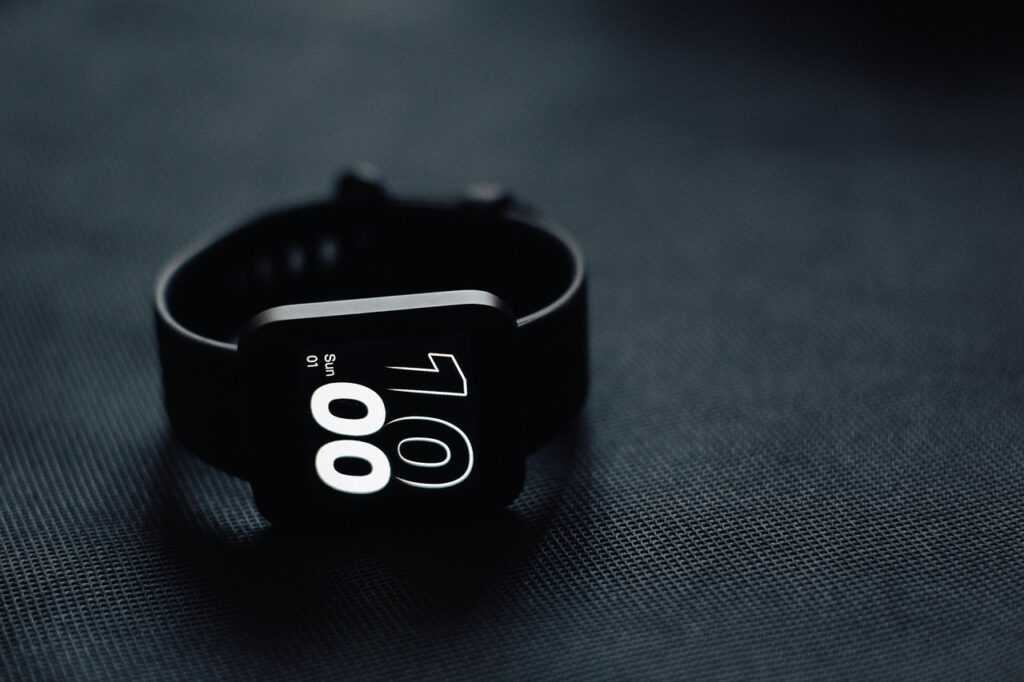
Smartwatches in 2026 aren’t just about counting steps they’re evolving into something much closer to a wearable command center. What started as a convenience tool has matured into a tightly integrated productivity and lifestyle device. Forget fitness tracking being the headline. These watches now translate languages on the fly, function as secure wallets, run diagnostics most people used to go to a clinic for, and sync up with AI that knows your daily patterns better than you do.
Translation is real time and context aware; you can speak into your wrist and get quick, spoken output in another language with astonishing accuracy. Payments are frictionless and locked down with encrypted biometrics no phone or card needed. The health game is smarter too: many models now track things like blood oxygen trends or preliminary arrhythmia warnings. It’s not medical grade (yet), but it’s actionable info on demand.
Then there’s the AI. Personal assistants baked directly into the watch OS serve up tailored summaries, flag what matters most in your day, and even suggest when to take a break based on your patterns. The smartwatch is no longer playing behind your phone it’s becoming a standalone tool that thinks with you, not just for you.
Productivity on Your Wrist
In 2026, smartwatches aren’t just step counters they’re quiet workhorses for people who’d rather move than sit. Calendar alerts show up before you blink. Need to take a quick note? Dictate it mid stride without ever reaching for your phone. The gap between watching a device and working with it is closing fast.
Smartwatches now integrate directly with business tools like Slack, Notion, Zoom, and even project management suites. You can check tasks, view team threads, or mute a meeting from your wrist. Notifications aren’t just noise they’re actionable. For remote workers who live in different time zones or shift between home and cafe, it’s like having a productivity dashboard strapped to your skin.
Power users dig deeper. Drafts dictated on wrist sync with cloud docs. Timers, calendars, even light spreadsheets are voice enabled. Swiping is taking a back seat the new UI is your voice. Swipe fatigue is real, and smartwatches get it. Speak, tap once, get it done.
Whether you’re toggling between Zoom rooms, triaging Slack pings, or capturing ideas on the fly, these wearable tools are shifting from add ons to central command.
Health Tech Reimagined (Beyond the Basics)
Smartwatches aren’t just step counters anymore they’re turning into full blown health companions. In 2026, the big leap is in diagnostics you can actually use. Blood pressure tracking isn’t a guess; it’s clinical level accuracy. Hydration alerts adjust based on your locale’s weather data and your recent activity levels. Some models even let you monitor blood sugar trends in real time non invasively.
Sleep tracking has also gotten serious. No more fuzzy graphs or vague sleep scores. Devices now generate medically certified sleep reports that you can hand to your doctor. That means legit help for sleep disorders, not just bragging about last night’s REM balance.
On the mental wellness side, your wrist can now tell when your breathing pattern shifts or your heart rate variability drops. You’ll get prompts to pause, breathe, or log a thought no hard sell, just data backed nudges. In short, these devices are listening, learning, and helping without being annoying.
Health isn’t a side feature anymore it’s one of the main reasons people are upgrading their wearables.
Safety and Security in Real Time

Smartwatches have quietly turned into personal security systems without the bulk or the noise. Fall detection is no longer a niche tool for seniors. It’s now baked into most premium models, automatically triggering alerts and pinging emergency contacts when a hard fall is detected. The same goes for live GPS sharing. Whether you’re out for a night run or navigating a new city, real time location tracking keeps loved ones in the loop without needing a phone call.
One feature making a big impact in 2026 is encrypted SOS signaling. Designed with solo travelers, night shift workers, and urban commuters in mind, this mode sends an undetectable distress alert with your exact location if activated often through specific gesture commands or button combinations. It works even if the device is muted or the screen is off.
Security use cases are expanding too. Think wearable panic buttons, auto recording during suspicious movement, and geofencing alerts if you drift out of a designated safe zone. These tools are making smartwatches as essential in city life as keys and ID. This isn’t about paranoia. It’s about being prepared in a way that fits on your wrist and works in silence.
Smartwatch Comparison: Best Models That Deliver More Than Steps
2026 has raised the bar. Flagship smartwatches now compete not just on fitness tracking, but on how well they replace your phone, streamline your day, and quietly operate as personal health hubs. The top players? Apple Watch Ultra 3, Samsung Galaxy Watch X, and the Google Pixel Watch Pro are leading the pack.
Let’s break it down.
Performance: All three watches bring serious processing muscle, but the Apple Watch Ultra 3 edges out with a new neural chip designed specifically for on device AI tasks. Samsung’s Galaxy Watch X isn’t far behind, boasting fluid multitasking and real time voice translation. The Pixel Watch Pro goes heavy on Google Assistant integration, making it a smart pick for Android first users.
Battery Life: If longevity matters, Samsung takes the win here delivering up to four days on a single charge with moderate use. Apple clocks in closer to 2.5 days, while Google lands around 3. You’ll still need to charge regularly, but none are painful to keep powered up.
Ecosystem Compatibility: The Apple Watch Ultra 3, unsurprisingly, works best in the Apple orbit. Same goes for Samsung with its Galaxy ecosystem. But the Pixel Watch Pro stands out for its versatile ecosystem support it plays well with most Android devices and integrates tighter with Google Workspace apps.
Each watch excels in pushing past basic fitness tracking by offering diagnostic level health tools, seamless productivity features, and privacy first safety tech.
For the full hands on breakdown of specs, pros and cons, and who should buy what, check out this deep dive: Smartwatch Comparison.
The Future Is Wearable, Not Just Trackable
Smartwatches in 2026 aren’t just for counting steps or checking heart rates they’re statement pieces that work smarter. Brands are finally figuring out that wearables need to balance aesthetics and function. We’re seeing a sharp rise in customizable watch faces, modular straps, and casing options that don’t sacrifice utility. Think designer bands that charge wirelessly or titanium shells with embedded biometric sensors. Users want something that fits into both their wardrobe and their routine, not a compromise on either front.
But what’s under the hood is changing fast, too. Smartwatches are shifting into true digital hubs with decentralized ID storage, multi factor biometric security, and adaptive displays that adjust info based on what you’re doing (or where you are). A wristwatch isn’t just syncing with your phone anymore; it’s managing passes, signing contracts, even unlocking your front door.
The punchline? The smartwatch is quietly becoming your first screen. Look around: people aren’t pulling their phones out in meetings they’re glancing at their wrists. Notifications, health updates, voice memos, ambient AI it’s all right there, more streamlined and less invasive than a smartphone. If 2016 was about tracking your run, 2026 is about running your day from your wrist down.
Want the Deep Dive?
Specs matter but context matters more. If you’re comparing smartwatches based on more than just step counts, you’ll want to look at real world testing, long term wearability, and whether features actually work the way they’re marketed. We’re talking battery life under pressure, app compatibility in day to day use, and how seamless that AI assistant actually is when you’re running late and need directions.
This isn’t just about shiny displays and hyped up sensor lists. It’s about which models hold up when life gets chaotic. For a full breakdown of specs, hands on impressions, and what makes each top model worth your attention, check out this expert smartwatch comparison.

 Ask Sharone Phillipssond how they got into emerging technology overview and you'll probably get a longer answer than you expected. The short version: Sharone started doing it, got genuinely hooked, and at some point realized they had accumulated enough hard-won knowledge that it would be a waste not to share it. So they started writing.
What makes Sharone worth reading is that they skips the obvious stuff. Nobody needs another surface-level take on Emerging Technology Overview, Gadget Reviews, Software Development Insights. What readers actually want is the nuance — the part that only becomes clear after you've made a few mistakes and figured out why. That's the territory Sharone operates in. The writing is direct, occasionally blunt, and always built around what's actually true rather than what sounds good in an article. They has little patience for filler, which means they's pieces tend to be denser with real information than the average post on the same subject.
Sharone doesn't write to impress anyone. They writes because they has things to say that they genuinely thinks people should hear. That motivation — basic as it sounds — produces something noticeably different from content written for clicks or word count. Readers pick up on it. The comments on Sharone's work tend to reflect that.
Ask Sharone Phillipssond how they got into emerging technology overview and you'll probably get a longer answer than you expected. The short version: Sharone started doing it, got genuinely hooked, and at some point realized they had accumulated enough hard-won knowledge that it would be a waste not to share it. So they started writing.
What makes Sharone worth reading is that they skips the obvious stuff. Nobody needs another surface-level take on Emerging Technology Overview, Gadget Reviews, Software Development Insights. What readers actually want is the nuance — the part that only becomes clear after you've made a few mistakes and figured out why. That's the territory Sharone operates in. The writing is direct, occasionally blunt, and always built around what's actually true rather than what sounds good in an article. They has little patience for filler, which means they's pieces tend to be denser with real information than the average post on the same subject.
Sharone doesn't write to impress anyone. They writes because they has things to say that they genuinely thinks people should hear. That motivation — basic as it sounds — produces something noticeably different from content written for clicks or word count. Readers pick up on it. The comments on Sharone's work tend to reflect that.