
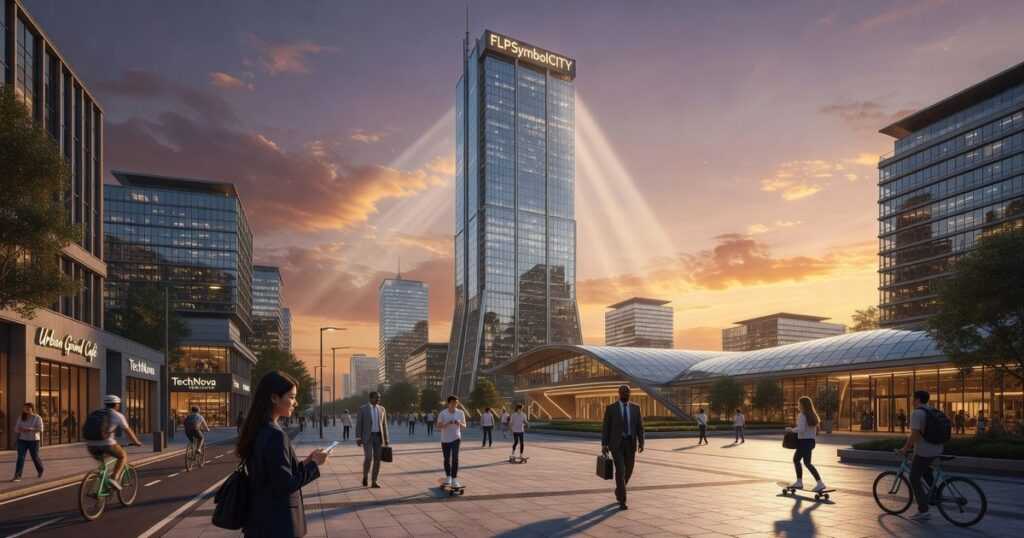
I’ve been watching cities struggle to translate their identity into digital spaces.
You’ve probably noticed it too. That old postcard design doesn’t work on your phone. The static logo feels lifeless on a screen. And when you try to share what makes a city special, the tools just aren’t there.
Here’s what’s changing: technology is finally catching up to how we actually experience cities now. We’re not just looking at landmarks anymore. We’re interacting with them.
I spent months tracking how software, AI, and augmented reality are reshaping urban symbolism. Not the theoretical stuff. The tools people are using right now.
This article shows you what’s happening at the intersection of technology and city identity. I’ll walk you through the software that’s making static symbols dynamic and the digital tools that are capturing what a postcard never could.
At flpsymbolcity, we analyze emerging tech and how it applies to real creative challenges. We test the tools, track the trends, and focus on what actually works in practice.
You’ll see which technologies are redefining how we represent city icons and which ones are worth your time if you’re designing, exploring, or just trying to understand where urban symbolism is headed.
No hype about the future. Just what’s available today and how it’s changing the way we see our cities.
The Digital Canvas: Modern Software for Urban Symbolism
You’ve probably seen it a hundred times.
A city skyline reduced to clean lines. A landmark that looks perfect at any size, whether it’s on a business card or a billboard.
That’s not an accident.
I work with designers who spend hours turning complex buildings into symbols that actually mean something. And the tools they use? They’ve changed everything about how we represent cities.
From Sketchpad to Scalable Vector Graphics
Here’s what most people don’t realize about those crisp landmark icons you see everywhere.
They start as vectors, not photos.
Adobe Illustrator and Affinity Designer let you build images using mathematical paths instead of pixels. That means you can scale them infinitely without losing quality. A tiny favicon becomes a massive banner with zero blur.
Why does this matter? Because brands need consistency. A company using the Space Needle in their logo can’t have it look sharp on their website but fuzzy on their truck wrap.
Take the Statue of Liberty. A photograph shows every texture, every weathered detail, every tourist in the frame. But a vector icon? It captures the torch, the crown, the silhouette. Nothing more. That simplicity makes it recognizable in half a second.
When you’re deciding which logos package should i buy Flpsymbolcity, you’re really choosing between pixel-based images and vectors. One works for print magazines. The other works everywhere.
Building Landmarks in 3D Space
But we’re not stuck in flat design anymore.
Blender and SketchUp changed the game by letting designers build landmarks in three dimensions. Not just draw them. Actually construct them in virtual space.
I’ve watched architects use SketchUp to model entire city blocks before breaking ground. Game developers use Blender to recreate Times Square for open-world environments. Tour companies build virtual walkthroughs of monuments people can explore from their couch.
The difference between 2D and 3D symbolic representation? Immersion.
A flat icon of the Golden Gate Bridge tells you what it is. A 3D model lets you walk across it, change the lighting, see it from angles that don’t exist in real life.
Some designers argue that 3D models lose the symbolic purity of vector icons. They say adding depth and texture defeats the purpose of simplification.
Fair point. But here’s what they’re missing.
Different contexts need different approaches. A logo needs a clean 2D vector. A virtual reality tour needs a detailed 3D model. Both are symbols. Both serve a purpose.
The software just gives us more ways to represent the same idea.
Generative AI: The New Artist in the Digital Cityscape
You’ve probably seen those AI-generated images flooding your social media feed.
Some look incredible. Others look like a fever dream.
But here’s what most people miss about AI art tools. They’re not just making weird pictures for internet points. They’re changing how we see and interpret the places that define our world.
Re-imagining Icons with AI Image Generators
Think about the Eiffel Tower for a second.
You’ve seen it a thousand times. Postcards, movies, Instagram photos from that one friend who went to Paris. It’s burned into your brain as this specific thing.
Now platforms like Midjourney and DALL-E let you reimagine it completely. Type in “Eiffel Tower made of bioluminescent coral in an underwater city” and watch what happens.
The AI doesn’t just slap a filter on an existing photo. It interprets the concept. It understands what makes the Eiffel Tower recognizable and then rebuilds it in whatever style you describe.
I tried this with the Colosseum recently. Asked for a futuristic neon version. What came back wasn’t just the Colosseum with some glow effects. It was a new interpretation that kept the iconic arches and circular structure but transformed everything else.
That’s the real power here. You’re not editing. You’re exploring alternate versions of cultural symbols we thought were fixed.
AI-Powered Style Transfer and Artistic Fusion
Style transfer takes this even further.
The tech works by analyzing the brushstrokes and color patterns of famous paintings. Then it applies those same patterns to your chosen image. A photo of the Manhattan skyline gets reimagined through Van Gogh’s swirling, emotional brushwork from “Starry Night.” For those eager to explore this innovative tech that transforms everyday images into masterpieces reminiscent of Van Gogh’s iconic style, the best place to start is the , where you can dive into the captivating blend of art and technology.
What you get isn’t just a filter. It’s a fusion. The recognizable shapes of skyscrapers meet the visual language of post-impressionism.
I’ve seen this create some genuinely moving work. A friend at flpsymbolcity ran the Golden Gate Bridge through a Hokusai wave style. The result captured something about the bridge’s relationship with the ocean that straight photography never quite gets.
The symbolic meaning shifts when you do this. That bridge isn’t just infrastructure anymore. It becomes part of a conversation between Eastern and Western art traditions.
Try It Yourself
Want to experiment? Here’s a prompt that works well:
/imagine prompt: golden gate bridge, ukiyo-e woodblock print style, minimalist, iconic --ar 16:9
This tells Midjourney exactly what you want. The ukiyo-e style gives you those clean lines and flat colors from Japanese woodblock prints. The minimalist tag keeps it from getting too busy. And that aspect ratio works great for desktop wallpapers.
You can swap out any landmark. Just keep your prompt clear about the style you want and the mood you’re going for.
The results won’t always be perfect (AI still struggles with text and sometimes adds weird extra towers). But when it works, you’ll see familiar places in ways you never imagined.
Augmented Reality (AR): Layering Digital Meaning onto Physical Space
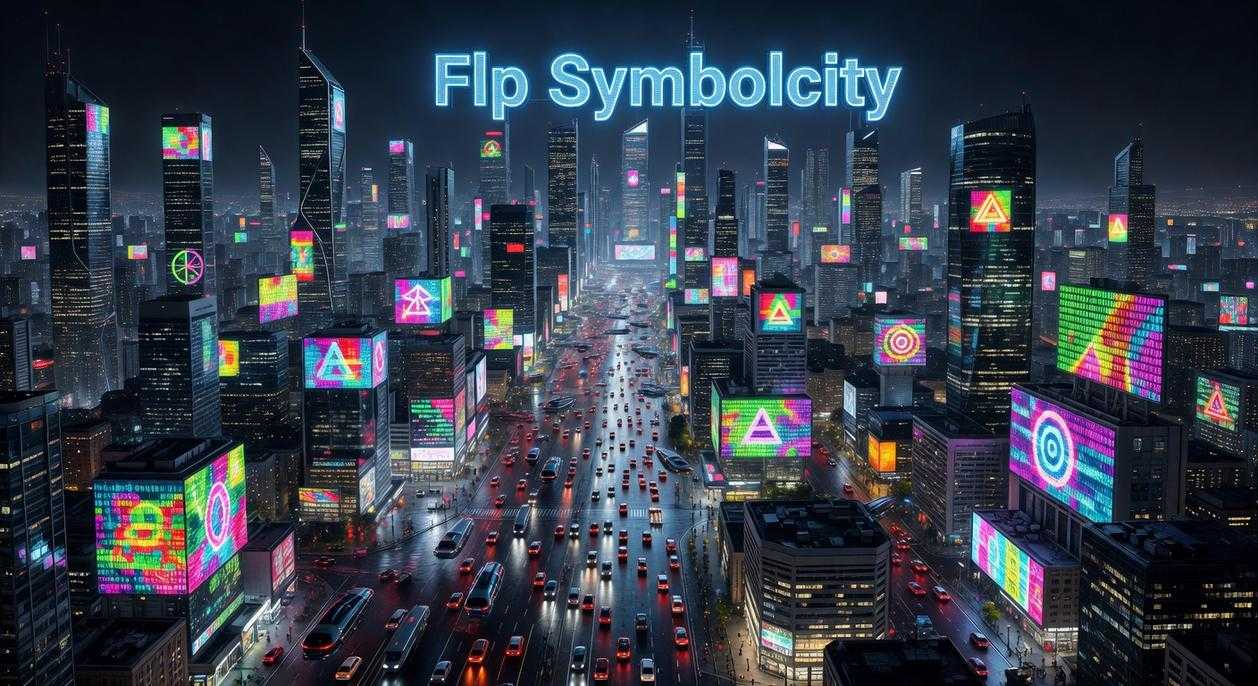
Think of AR like adding subtitles to the real world.
Except instead of just text, you’re getting entire layers of information that sit right on top of what you’re already seeing.
I’ve watched this technology go from clunky demos to something you can use on your phone right now. And honestly, it’s changing how we interact with the spaces around us.
Making Landmarks Interactive
You know how you walk past a building and wonder what it used to look like?
AR fixes that. You point your phone at a historic structure and suddenly you’re seeing a ghosted image of how it appeared 100 years ago. The old facade overlays the new one. Windows that were bricked over reappear. You can see the original architectural details that got stripped away during renovations.
It’s like having a time machine in your pocket (minus the DeLorean).
But it goes beyond just historical overlays. Some apps show you architectural blueprints floating in space. Others pull up facts about who designed the building or what happened there. The landmark becomes a portal to information instead of just a photo opportunity.
I tested one of these apps at Pike Place Market and it completely changed how I saw the place. Suddenly I wasn’t just looking at old brick. I was seeing stories.
Gamification and Urban Exploration
Here’s where things get interesting.
Cities are turning into game boards. Apps are using landmarks as checkpoints for scavenger hunts and interactive challenges. You’re not just visiting a monument anymore. You’re completing missions there.
This isn’t new conceptually. Pokemon Go proved that people will walk miles to catch a digital creature at a real location. But what’s happening now with flpsymbolcity landmarks goes deeper. The games are teaching you about the places while you play.
You might need to answer trivia about a statue to unlock the next clue. Or solve a puzzle that’s tied to the building’s history. The landmark stops being background scenery and becomes part of the actual gameplay.
Some people argue this trivializes important cultural sites. That we’re turning everything into entertainment.
But I think they’re missing the point. Most people walk past landmarks without giving them a second thought. If a game gets them to actually engage with the space and learn something? That’s not trivializing it. That’s making it relevant again.
The tech itself keeps getting better too. AR glasses and upcoming headsets mean you won’t need to hold your phone up like a tourist. The information will just appear in your field of vision as you walk. Seamless and hands-free.
We’re not quite there yet. But we’re close.
The Blockchain’s Role: NFTs and Digital Ownership of Icons
Tokenizing Symbolic Representations
I’ll be honest with you.
When I first heard about NFTs for city landmarks, I thought it sounded ridiculous. Why would anyone pay real money for a digital file of something that already exists?
But then I started digging into what’s actually happening.
The idea is simple. You take digital art of a landmark (think the Space Needle or Golden Gate Bridge) and turn it into an NFT. That NFT lives on a blockchain, which means there’s a permanent record of who owns it.
Here’s where it gets interesting. Before blockchain, you couldn’t really own a digital image. Sure, you could save a JPEG to your computer. But so could a million other people. There was no way to prove yours was the “real” one.
Blockchain changed that. The ledger is public and can’t be altered. When you buy an NFT, that transaction gets recorded forever. Anyone can verify you own it.
Some people argue this is just artificial scarcity. They say digital files should be free and accessible to everyone. And look, I see their point. Why create false limits on something that can be copied infinitely?
But here’s what I’m not sure about.
Does ownership always mean exclusivity? With NFTs from flpsymbolcity and similar platforms, the image itself might still be viewable by anyone. What you own is the verified original. Whether that matters long-term? I honestly don’t know yet. As the debate over the significance of ownership in the NFT space continues, many collectors are left pondering, “Which Logos Package Should I Buy Flpsymbolcity,” especially when the allure of verified originals contrasts with the accessibility of the images themselves.
The technology works. That part is clear. Whether people will care about owning digital landmarks five years from now is still up for debate.
The Future of the City Icon is Interactive and Infinite
I’ve shown you how landmarks have moved beyond static images.
We’re living in a time where software, AI, and AR are changing how we connect with the symbols that define our cities. The old way of just looking at landmarks doesn’t cut it anymore.
People expect to interact with these icons digitally. They want experiences that feel personal and alive.
The technologies I’ve covered give you the tools to build those connections. You can create representations of urban symbols that mean something to you and the people who engage with them.
Here’s what I want you to do: Pick a landmark that matters to you. Download a free AI art generator or an AR creation app (most are free to start). Spend 20 minutes designing your own version of that symbol.
You’ll see how quickly you can turn a familiar icon into something new and interactive.
flpsymbolcity tracks these shifts because they’re reshaping how we experience the spaces around us. The future isn’t about passive observation. It’s about participation.
Your city’s icons are waiting for you to reimagine them. Flpsymbolcity Free Symbols by Freelogopng. What Format for Logo Design Flpsymbolcity.

 Ask Jorlina Zyphandella how they got into tech innovations and trends and you'll probably get a longer answer than you expected. The short version: Jorlina started doing it, got genuinely hooked, and at some point realized they had accumulated enough hard-won knowledge that it would be a waste not to share it. So they started writing.
What makes Jorlina worth reading is that they skips the obvious stuff. Nobody needs another surface-level take on Tech Innovations and Trends, Expert Analysis, Software Development Insights. What readers actually want is the nuance — the part that only becomes clear after you've made a few mistakes and figured out why. That's the territory Jorlina operates in. The writing is direct, occasionally blunt, and always built around what's actually true rather than what sounds good in an article. They has little patience for filler, which means they's pieces tend to be denser with real information than the average post on the same subject.
Jorlina doesn't write to impress anyone. They writes because they has things to say that they genuinely thinks people should hear. That motivation — basic as it sounds — produces something noticeably different from content written for clicks or word count. Readers pick up on it. The comments on Jorlina's work tend to reflect that.
Ask Jorlina Zyphandella how they got into tech innovations and trends and you'll probably get a longer answer than you expected. The short version: Jorlina started doing it, got genuinely hooked, and at some point realized they had accumulated enough hard-won knowledge that it would be a waste not to share it. So they started writing.
What makes Jorlina worth reading is that they skips the obvious stuff. Nobody needs another surface-level take on Tech Innovations and Trends, Expert Analysis, Software Development Insights. What readers actually want is the nuance — the part that only becomes clear after you've made a few mistakes and figured out why. That's the territory Jorlina operates in. The writing is direct, occasionally blunt, and always built around what's actually true rather than what sounds good in an article. They has little patience for filler, which means they's pieces tend to be denser with real information than the average post on the same subject.
Jorlina doesn't write to impress anyone. They writes because they has things to say that they genuinely thinks people should hear. That motivation — basic as it sounds — produces something noticeably different from content written for clicks or word count. Readers pick up on it. The comments on Jorlina's work tend to reflect that.